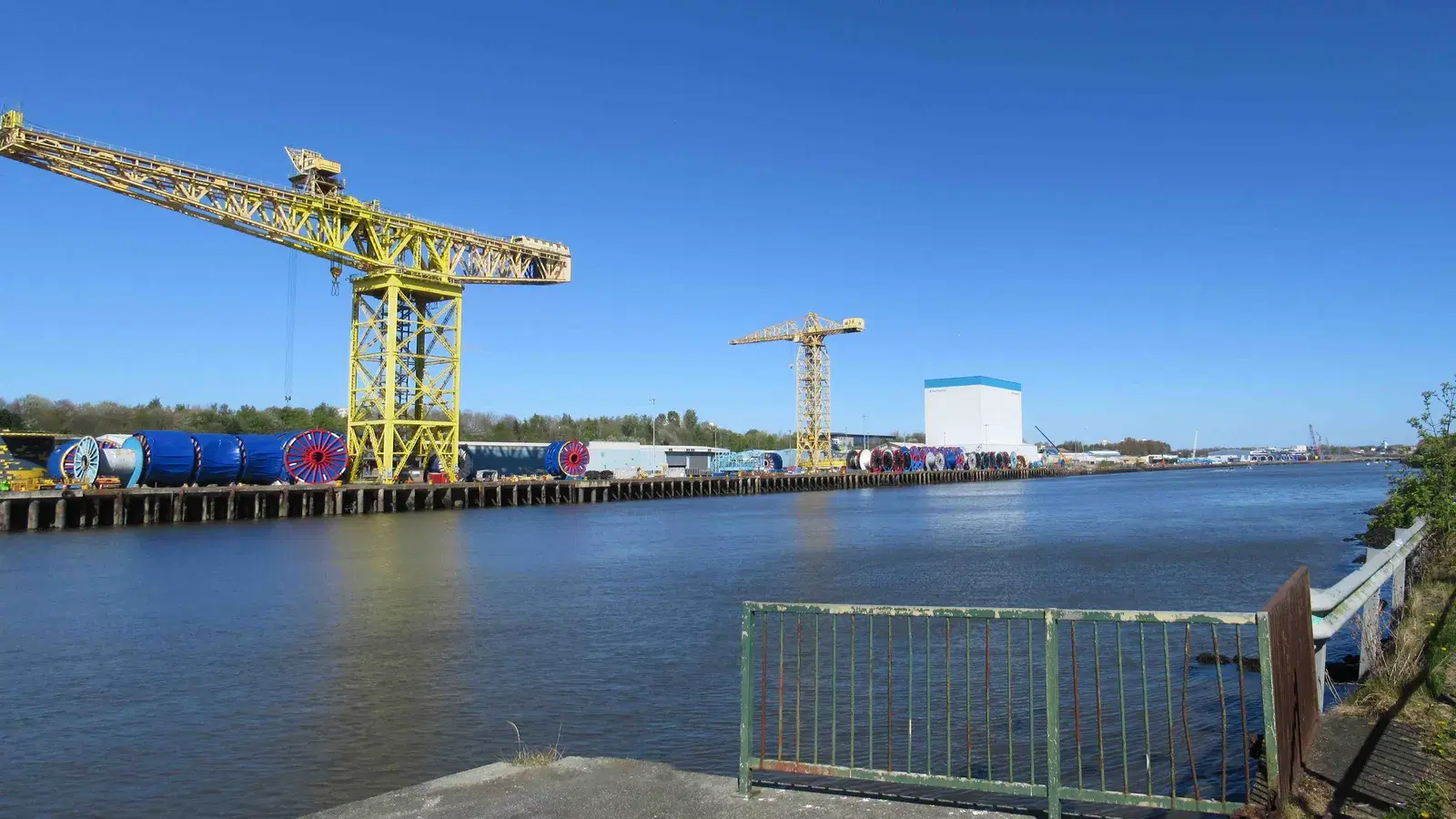
The History of Hebburn
From a Saxon riverside hamlet to a town built on coal and shipbuilding — the history, heritage, and people who shaped this corner of the Tyne.
Hebburn at a Glance
The key moments that shaped Hebburn from a riverside hamlet into a Tyneside industrial town.
A Riverside Settlement
Hebburn began as a small fishing and farming hamlet on the south bank of the Tyne. The name is thought to come from the Old English 'heah' (high) and 'byrgen' (a burial mound), and the settlement lay historically within County Durham.
Hebburn Hall & the Ellisons
A fortified manor house stood at Hebburn in the medieval period. Hebburn Hall, a 17th-century mansion on the site, became the seat of the Ellison family, who bought the estate in 1658 and shaped the town's early development.
Coal Mining
Hebburn Colliery was established in 1792 and worked until 1932. Coal, cut from pits along the Tyne, drew workers and their families to the growing town and set the pattern for its industrial century.
Shipbuilding on the Tyne
From the mid-19th century Hebburn's riverside filled with shipyards — Andrew Leslie's yard (later Hawthorn Leslie) and a yard of Palmers among them — making the town a major centre of Tyneside shipbuilding.
The Church of St Andrew
Shipyard owner Andrew Leslie paid for the building of the Church of St Andrew in 1872. A local landmark, the building later became a Buddhist meditation centre.
Carr-Ellison Park
Colonel Ralph Henry Carr Ellison presented 25 acres of the Hebburn Hall grounds to the town as a public park, later renamed Carr-Ellison Park, giving Hebburn its best-loved green space.
Tyne and Wear
In 1974 Hebburn became part of the new Metropolitan Borough of South Tyneside in Tyne and Wear. In 1984 the former railway station joined the Tyne and Wear Metro's Yellow Line, linking the town to Newcastle, Gateshead and the coast.
A South Tyneside Town
With a population of around 21,300 (2021 census), modern Hebburn is a close-knit South Tyneside town, proud of its shipbuilding and mining heritage and served by parks, schools, shops and the Metro.
Heritage Articles
In-depth stories about the people, buildings, and events that shaped Hebburn.
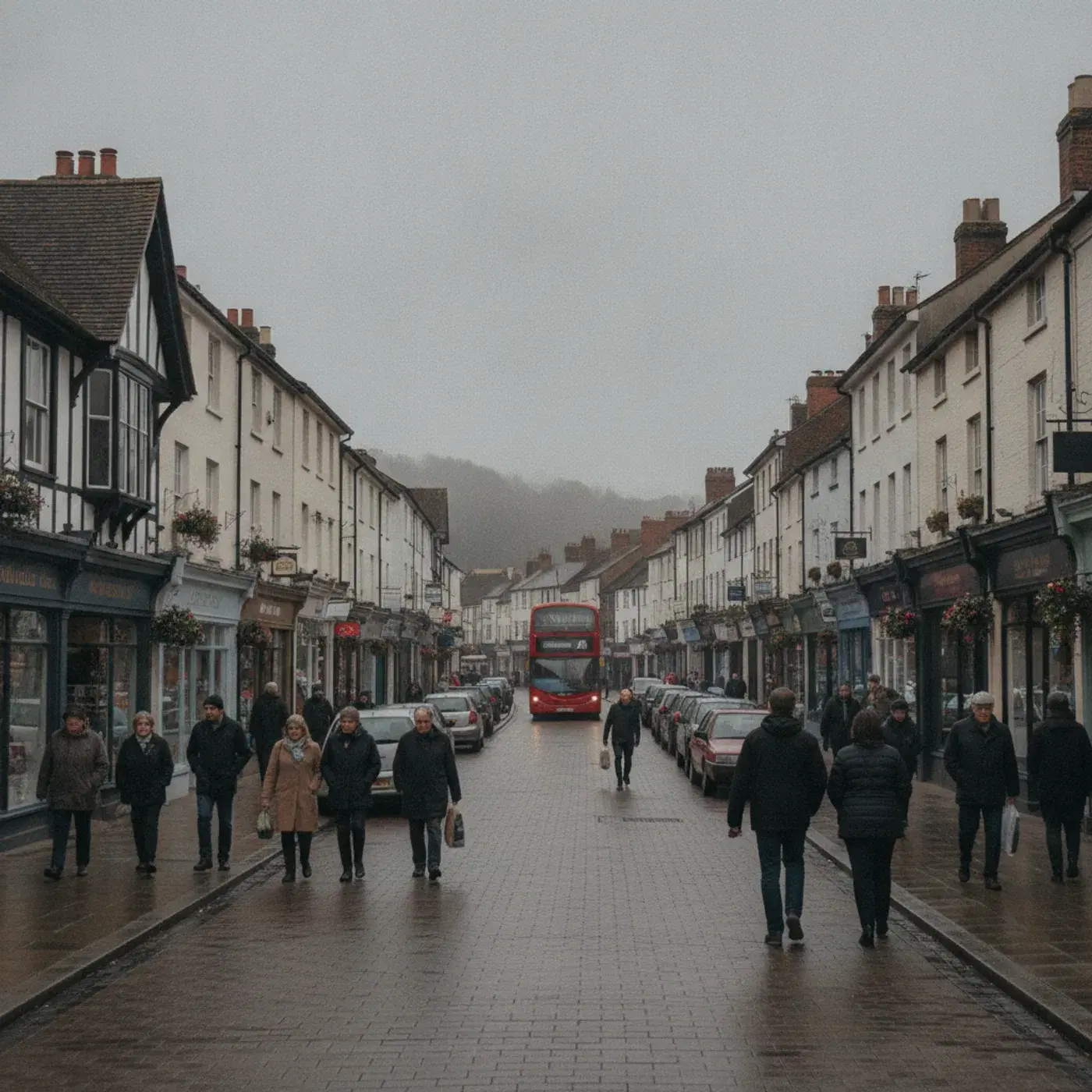
A History of Hebburn's High Street and Town Centre
From a shipbuilding boomtown to a 1960s shopping precinct and a modern leisure hub: how Hebburn's town centre grew, changed and is being remade.
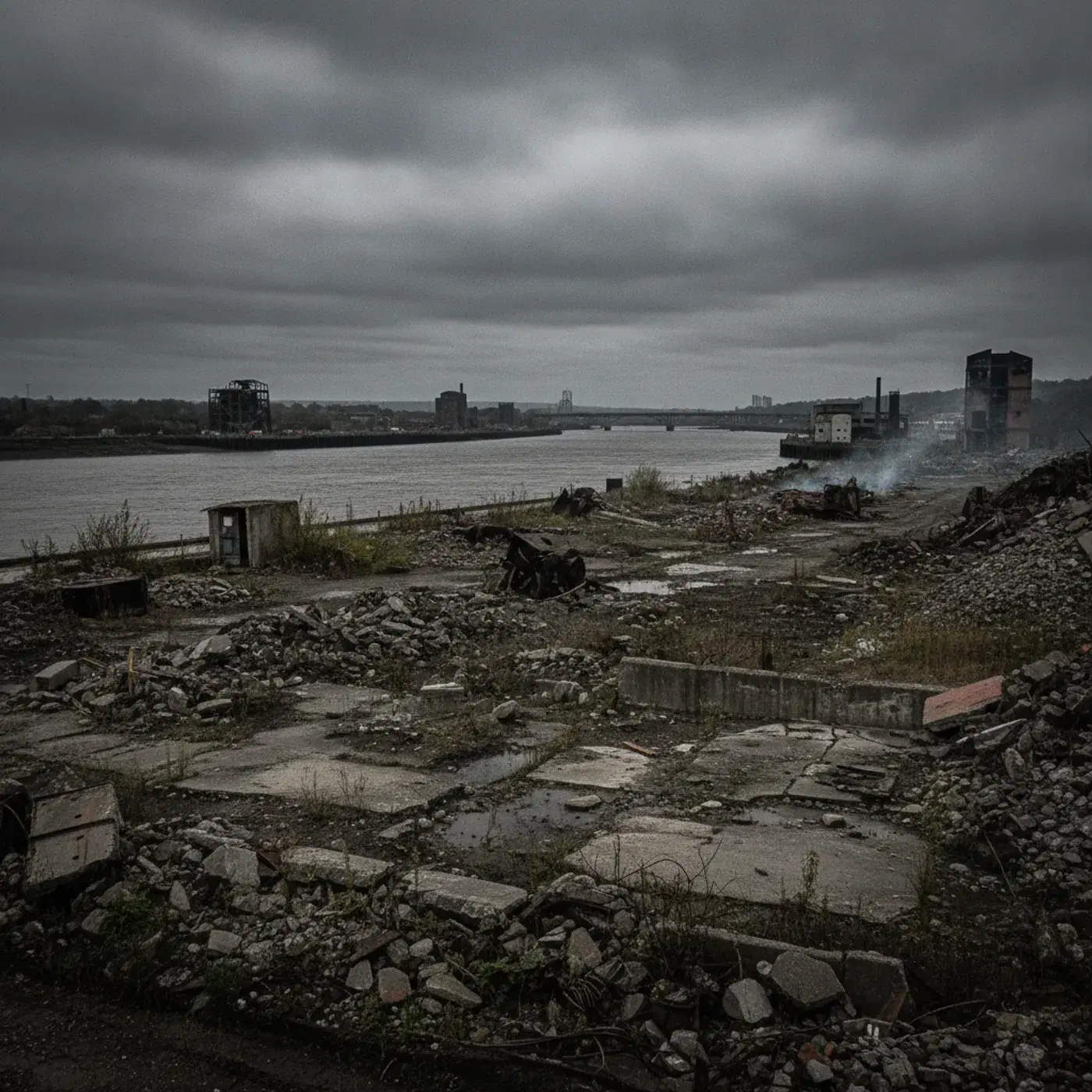
Lost Buildings of Hebburn
The great Hawthorn Leslie shipyard, the towering Reyrolle offices and the old library: the buildings Hebburn has lost, and what has risen in their place.
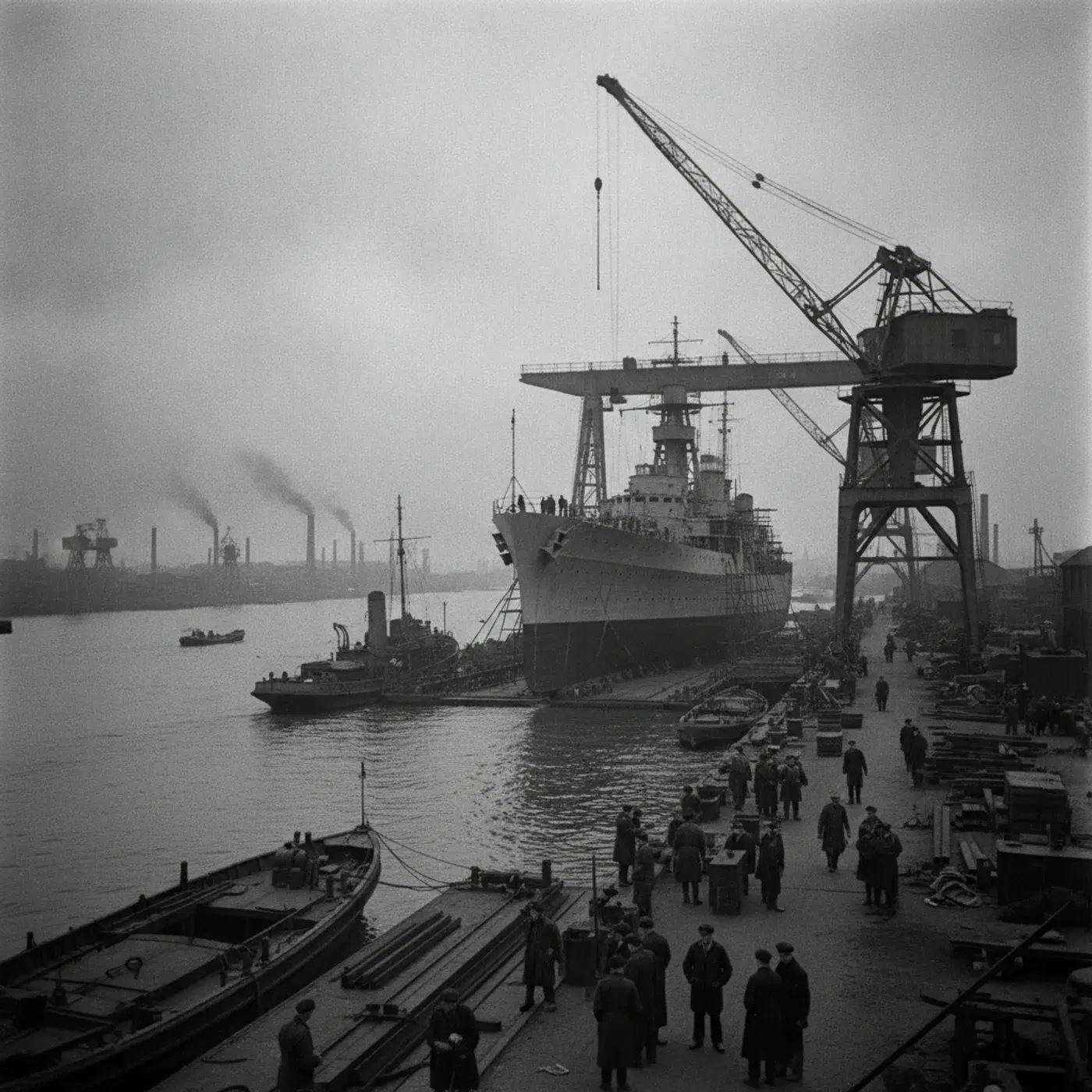
Hebburn in World War Two
A shipbuilding town on the front line: how Hebburn's Hawthorn Leslie yard built warships for the war effort, and how the bombers came for the Tyne in return.
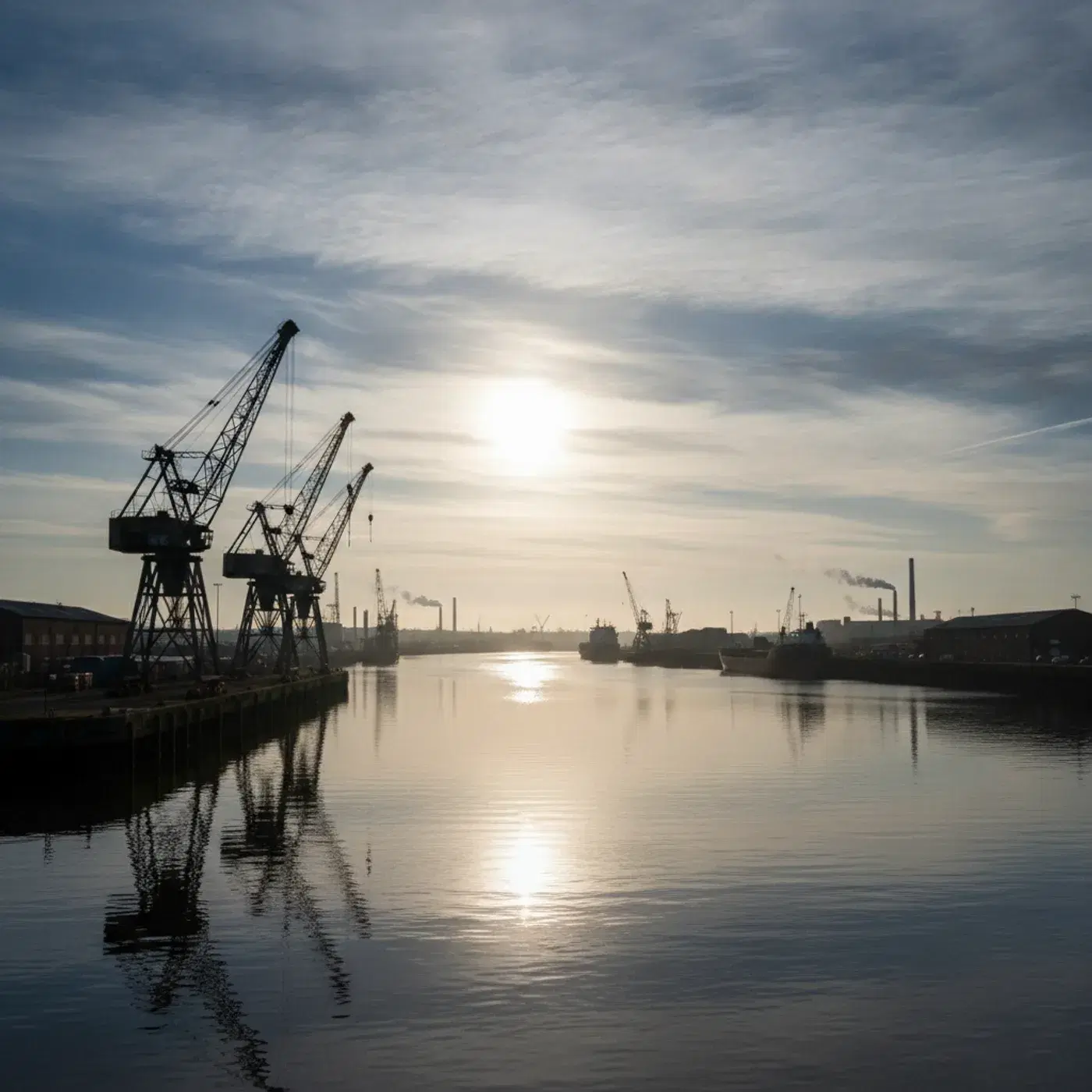
Interesting Facts About Hebburn
A warship commanded by Mountbatten, the man who worked out the age of the Earth, a BBC sitcom and a Buddhist temple in an old shipyard church: interesting facts about Hebburn.
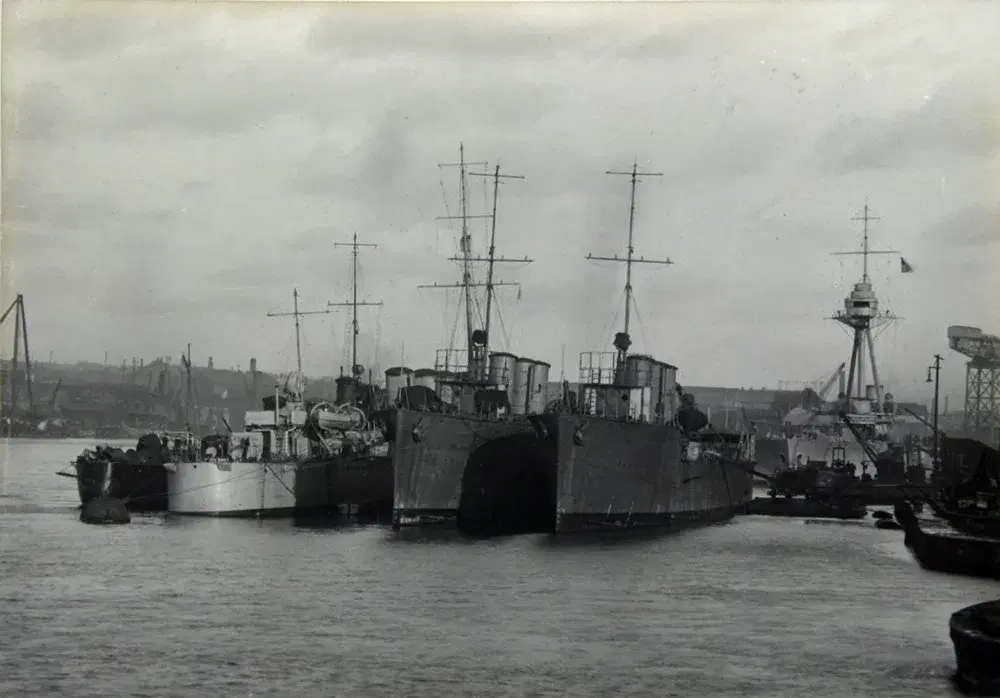
Hebburn's Shipyards and HMS Kelly
How Hawthorn Leslie built ships on the Hebburn riverside, the story of HMS Kelly and Lord Mountbatten, and why the town's shopping centre carries the destroyer's name.
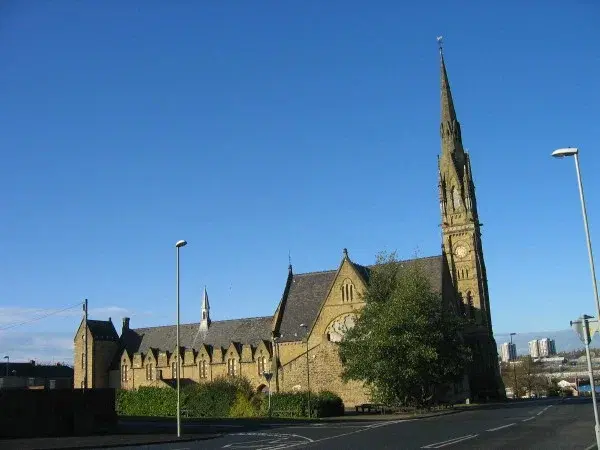
A Heritage Walking Trail in Hebburn
A self-guided walk linking Hebburn's industrial past: the shipyard riverside, St Andrew's Church, Hebburn Hall, Carr-Ellison Park and the town's war memorial.
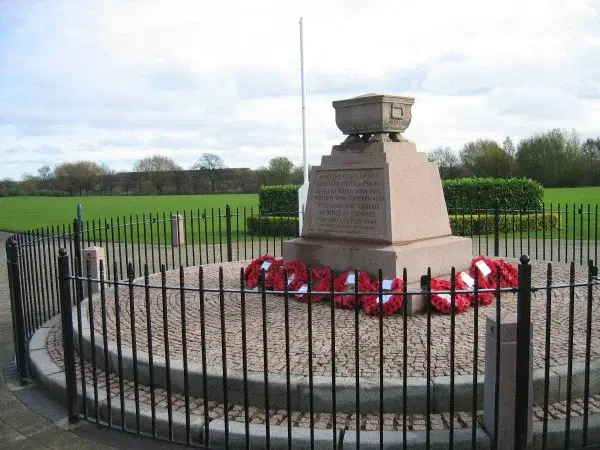
Famous People from Hebburn
For a small Tyneside town, Hebburn has produced a remarkable roll call, from an Olympic runner and a comedian to a pioneering geologist and a shelf of top-flight footballers.
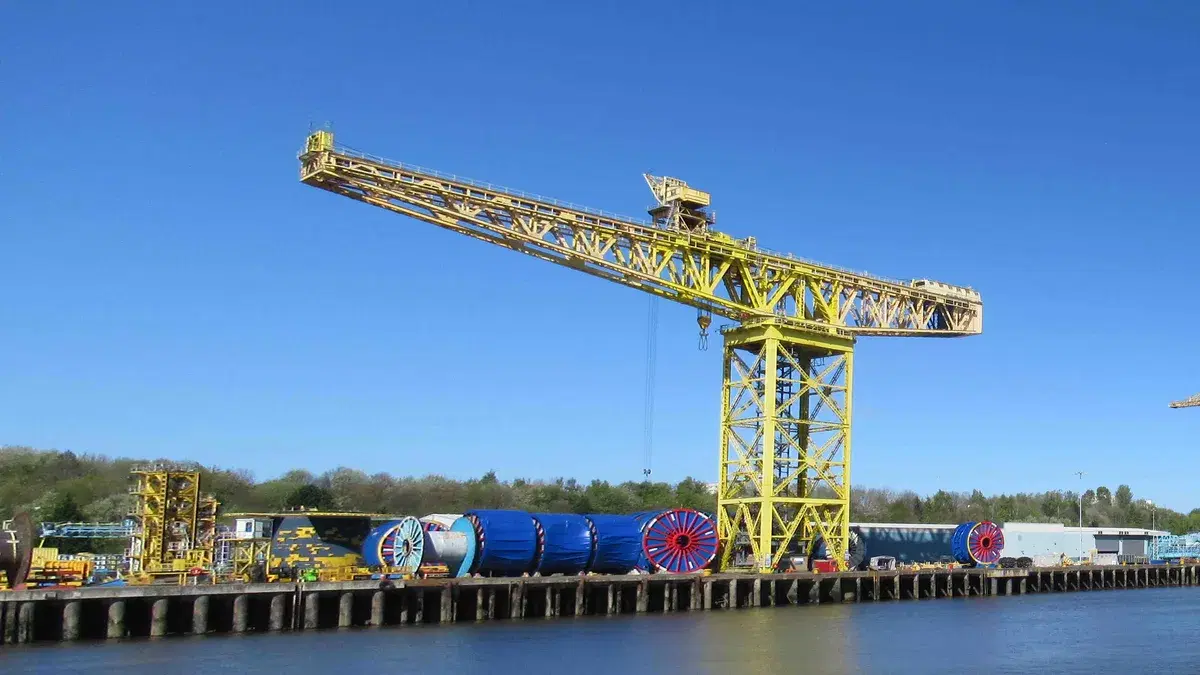
Hebburn's Shipbuilding and Mining Heritage
Coal, ships and steel on the south bank of the Tyne: the story of Hawthorn Leslie, HMS Kelly, Hebburn Colliery, and landmarks from Hebburn Hall to Carr-Ellison Park.

Hebburn on Screen: Film and TV Locations
The town that gave its name to a BBC Two sitcom, and its place in a wider North East that has doubled for crime dramas and Catherine Cookson's Tyneside. A guide to Hebburn and the Tyne on screen.